Bees, Honey, and Life: Ayen’s Story from Tanjung Rusa for Future Generations
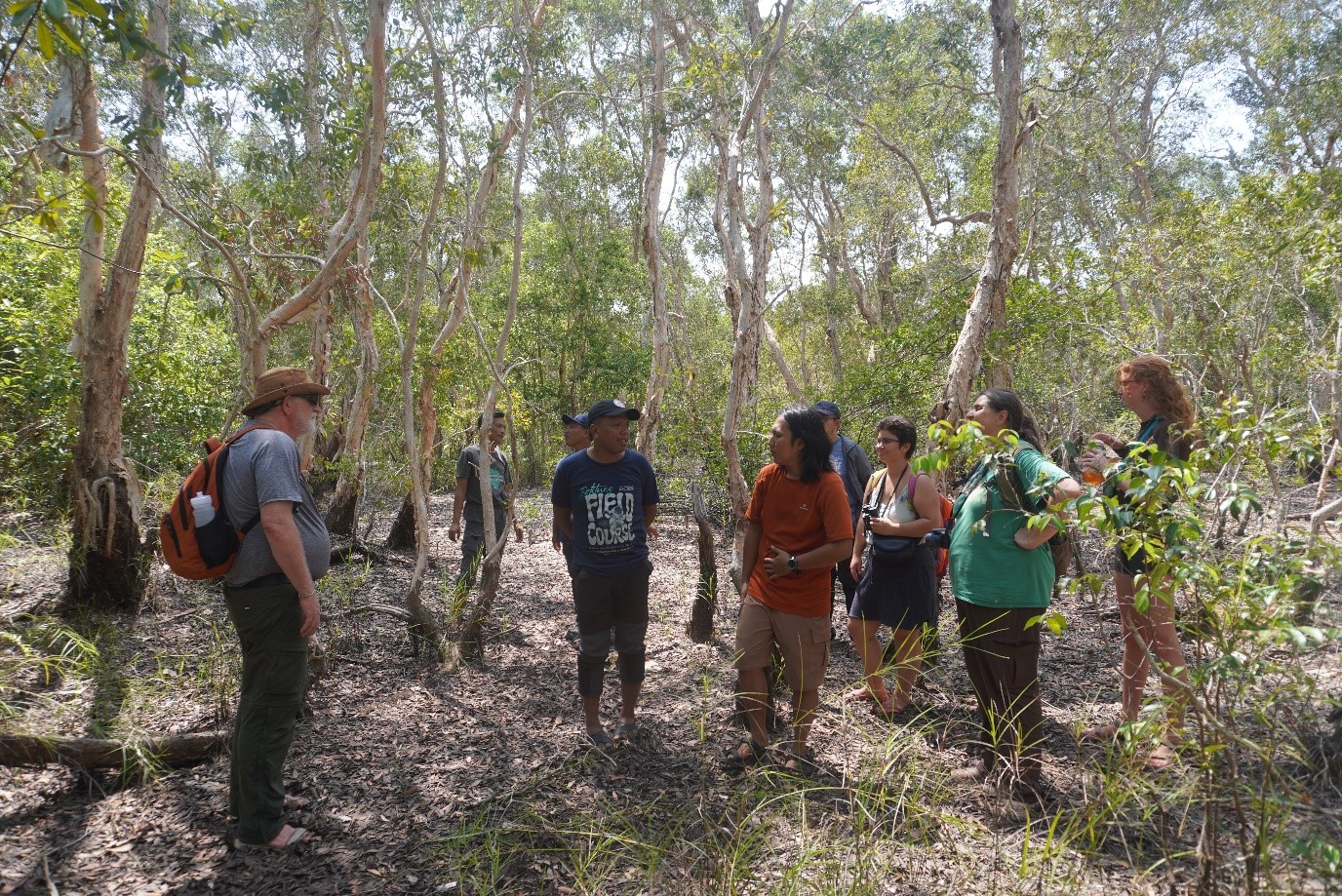
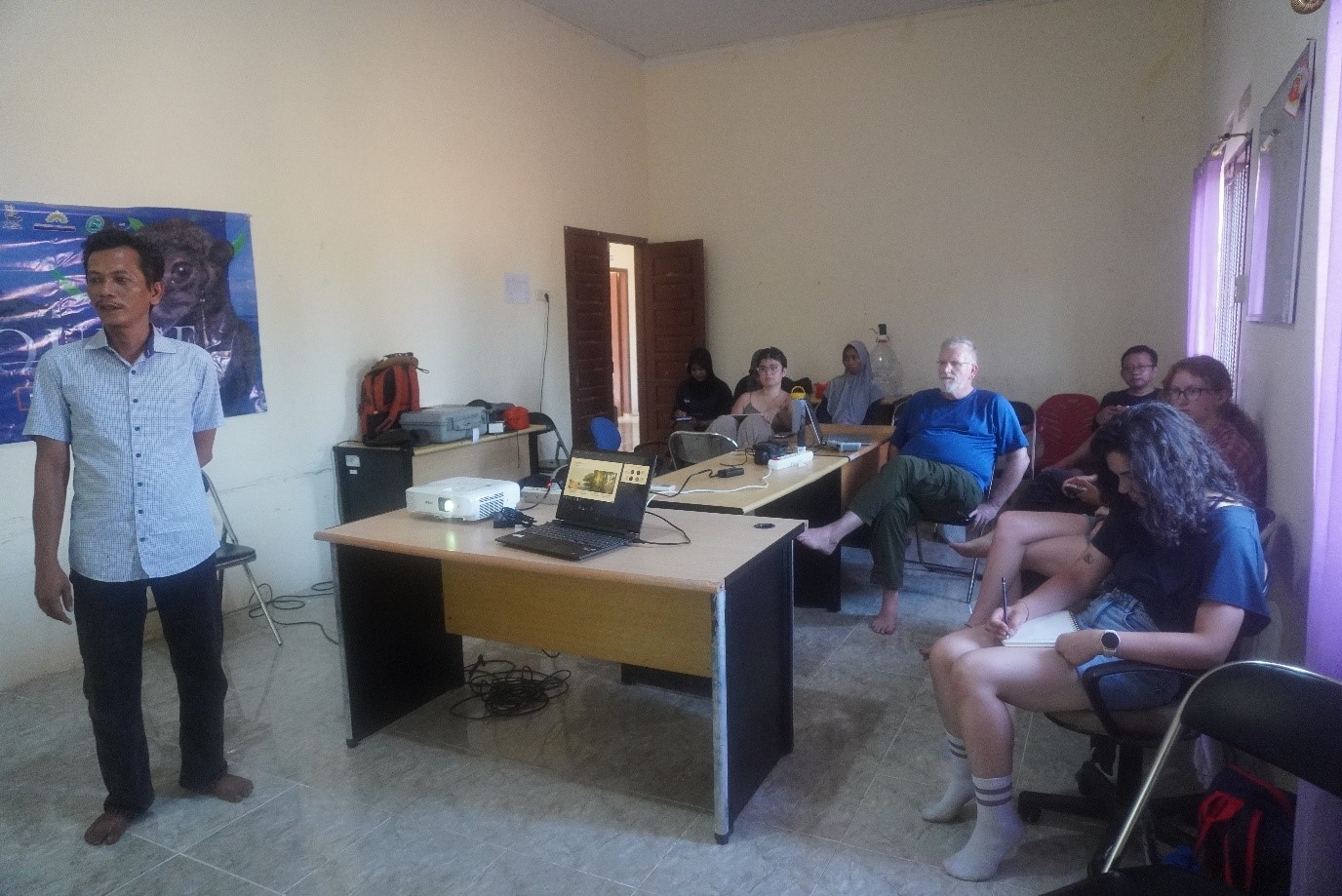
In July 2026, during the Field Course in Conservation and Global Health at the Human-Environment Interface, one of the most memorable sessions came not from international professors or university lecturers, but from Ayen, a dedicated member of POKDARWIS Rusa Putih. With warmth and simplicity, Ayen shared the story of honeybees and the deep local wisdom of the people of Tanjung Rusa Village.
He explained the traditional practice of “sunggau,” a unique way of harvesting honey that is not only technical but also spiritual. Villagers gather for a ritual led by elders, offering prayers so that flowers bloom well, bees arrive, and the harvest is abundant. For the community, honeybees are more than just a source of livelihood, they are guardians of the forest, natural pollinators that ensure vegetation thrives and oxygen continues to flow for all of us.
Ayen’s storytelling gave participants a new perspective: conservation is not only about scientific data or theories, but also about respecting traditions passed down through generations. His words resonated deeply when he concluded, “Protecting the ecosystem means protecting honey, and protecting honey means protecting our lives.”
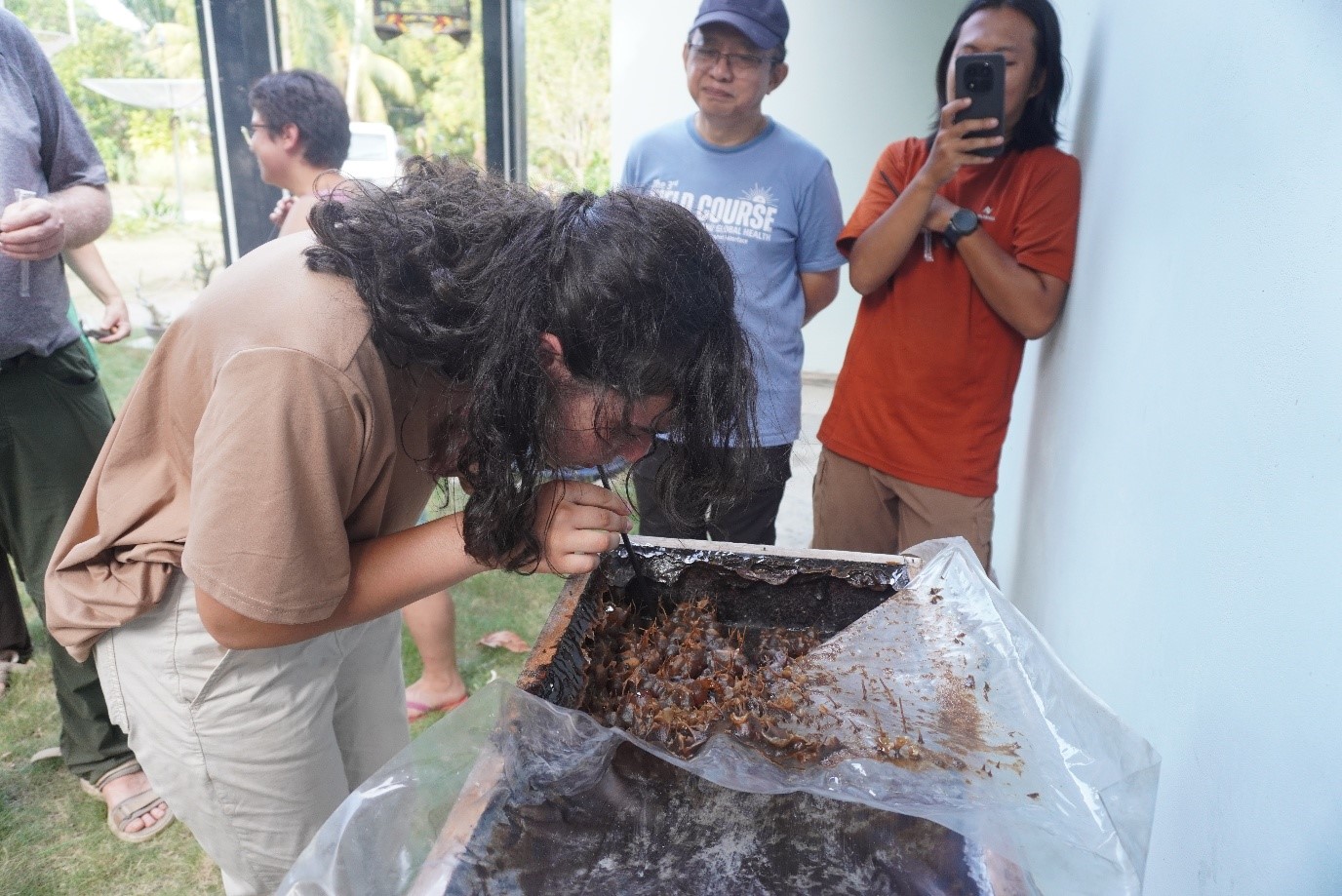
The atmosphere of that session was special. Participants listened attentively, some took notes, while others smiled in admiration at how a small village could hold such profound philosophy about nature. Ayen’s voice reminded everyone that local knowledge is an essential part of global conversations on conservation and health. Through Ayen’s story, Tanjung Rusa became more than just a location for the field course, it became a source of inspiration. The village, through POKDARWIS Rusa Putih, showed that a small community can carry a big spirit. From bees, honey, to life itself, Ayen’s message is clear: protecting nature means safeguarding the future for generations to come.